
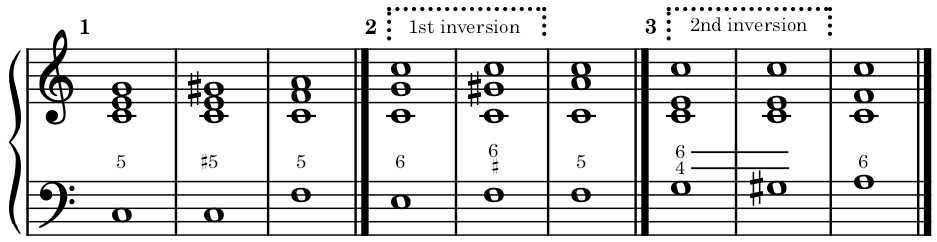
The augmented fifth (ascending alteration of the fifth) most often applies to the chords (consonant or dissonant) of the tonic(1st) or dominant(5th) degree in the major mode.
A chord with an augmented fifth is almost always preceded by its unaltered version. This is why in a large number of cases this alteration can be considered either melodic or harmonic. In other words, it can be considered a passing note. (See Ch. 16).
Tonic Chords
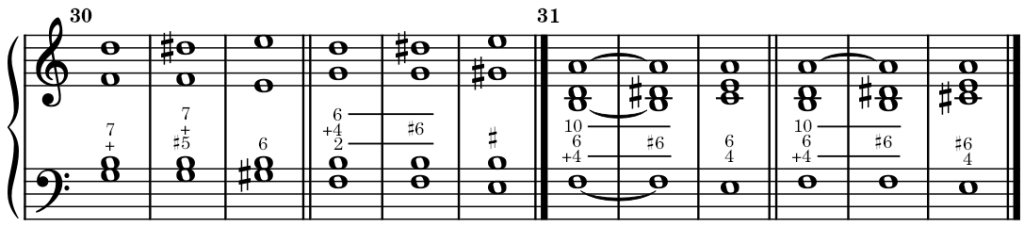
Augmented Fifth Chord (in C major)
Augmented Major Seventh Chord (in C Major)
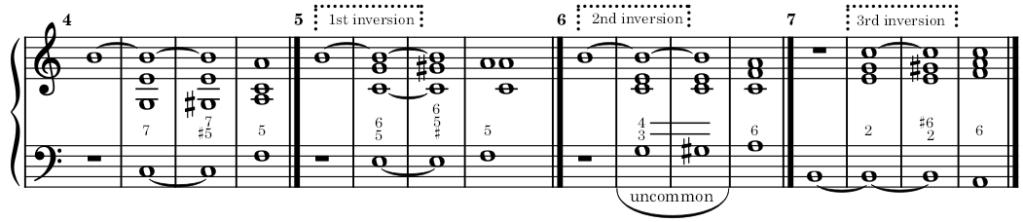
Dominant Chords (*)
(*) The augmented fifth dominant chord is similar to the augmented tonic chord, in all inversions.
Augmented Dominant Seventh Chord (in C major)

Augmented Dominant Seventh Chord without the root.

Augmented Major Ninth Chord (in C major)
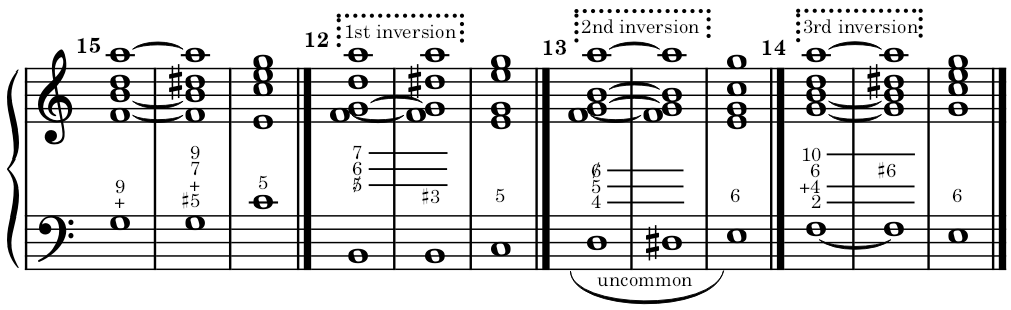
Augmented Major Ninth Chord without the root (seventh chord of the leading tone)
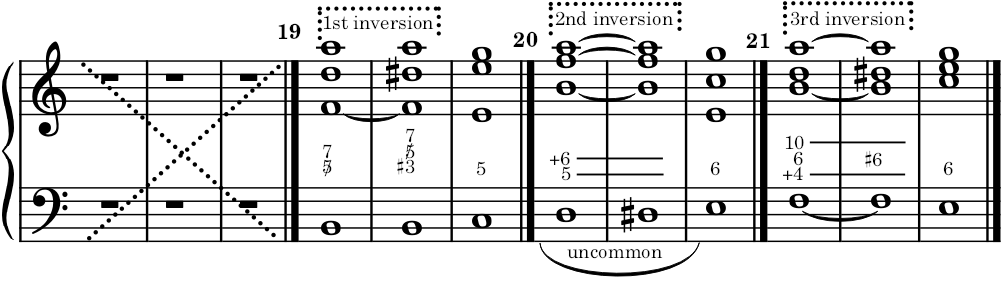
Note: the natural resolution of the augmented minor ninth chord always leads to the major mode. The same applies to all the augmented dominant chords in the minor mode.
Augmented Minor Ninth Chord (in A minor)


Exceptional Resolutions
The main exceptional resolutions are as follows:



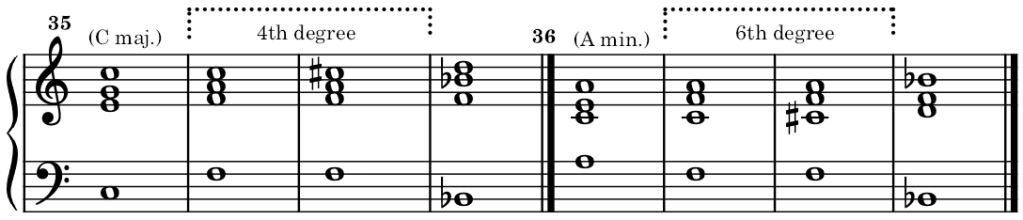
The chords of the 4th of the major mode and the 6th of the minor mode may also get an augmented fifth. The examples are very rare. The natural resolution of these altered chords leads to a modulation. In other words, the alteration is enough to convey them as either a tonic or dominant chord of another key. Examples:
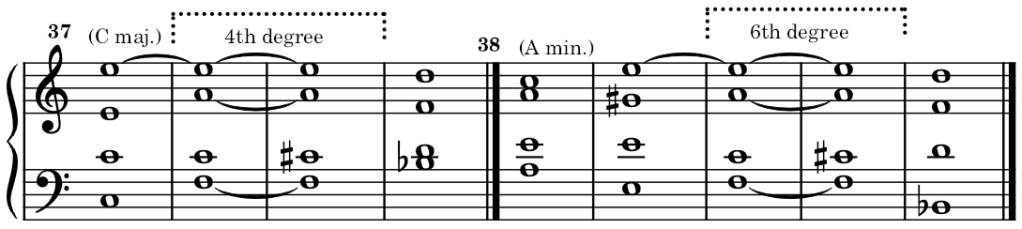
Altered chords which don’t modulate are exceptional resolutions. Examples:
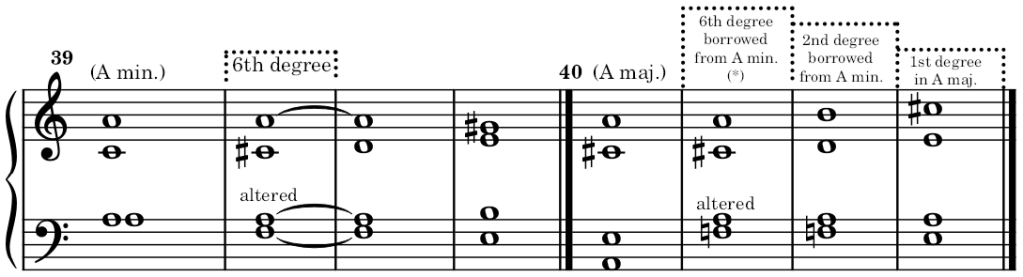
(*) This chord can also be considered the 1st degree of F major or 4th degree of C major.
Same harmony unaltered
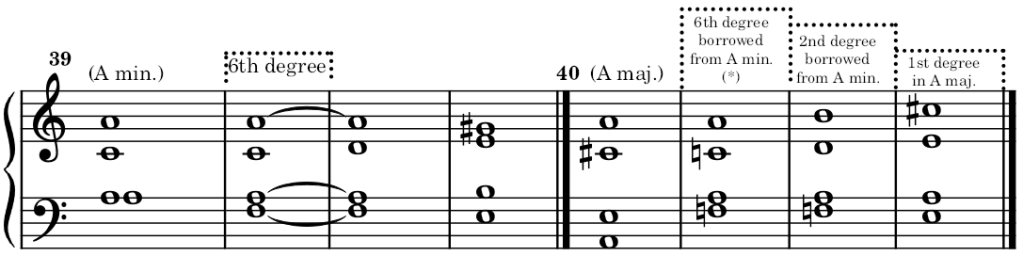
Remark: the perfect major chord, because of the altered fifth, is turned into a chord identical to the 3rd degree of the minor scale (Ch. 1). With attentive listening, you will find the tonal and modal effect of the examples in this article never give the sensation of the minor mode.
 Old Music Theory